
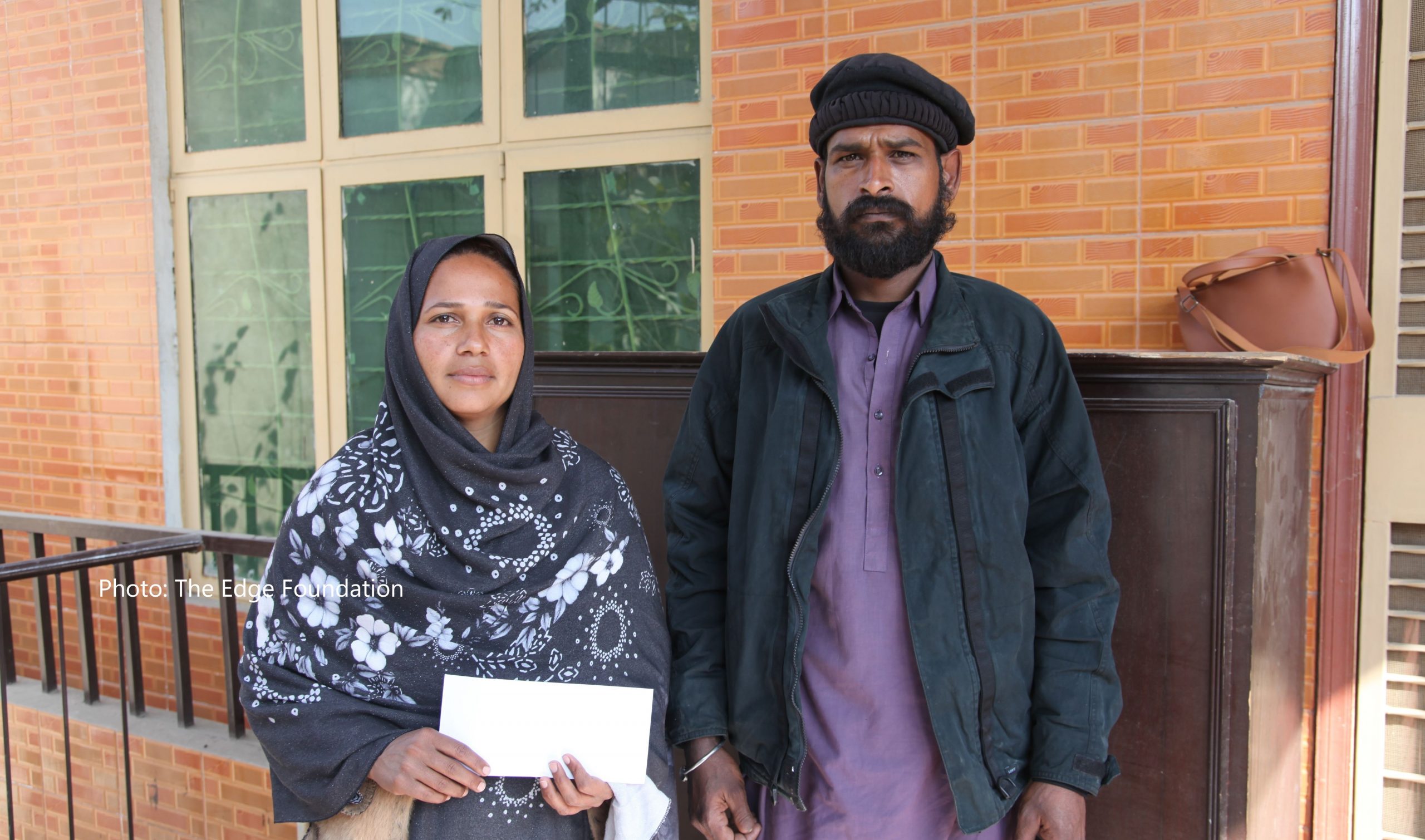
A Christian family from rural Punjab has narrowly escaped the grip of bonded labour after timely legal intervention secured the freedom of a detained brick-kiln worker and protected his family home from unlawful seizure.
Gulnaz, 35, lives in Village 93-R-B, Tehsil Jaranwala, with her five young children. Her husband, Imran Masih, 33, has spent more than two decades working on brick kilns to support his family. Like many Christian labourers, they accepted advance payments to meet basic needs—an arrangement that often traps families in cycles of debt and exploitation.
In early 2025, the family worked at a brick kiln near Mirza Vircka village in Sheikhupura, earning approximately Rs1,550 per 1,000 bricks. Despite long working hours, deductions against a Rs150,000 advance left the family struggling to survive. When Imran fell ill and Gulnaz was unable to work due to childcare responsibilities—including caring for a deaf and mute son—the family left the kiln in November 2025 and returned to their modest home in Shah Kot.
On 7 January 2026, the family’s ordeal escalated. A kiln partner allegedly forced Imran to record a video falsely claiming that he owed Rs350,000 and threatened to seize the family home. Imran was then forcibly taken back to the kiln, separated from his wife and children, denied wages, and barred from contacting his family.
In desperation, Gulnaz contacted us for help and support. Our legal team documented the case and arranged urgent legal action, filing a habeas corpus petition in the Lahore High Court.
On 22 January 2026, following court orders, police produced Imran before the court. After reviewing the facts, the court granted him immediate freedom.
“I had no choice—I worked to protect my children and our home,” Imran told the court, thanking God and those who stood with his family.
This case reflects a wider reality: despite laws banning bonded labour, Christian kiln workers remain highly vulnerable. Yet it also demonstrates that legal aid saves lives and families also that justice is still possible when the oppressed are not left alone.


9 thoughts on “Christian Bonded Labour: Father of Five Rescued and Reunited with Family Through Lahore High Court”
Comments are closed.